Cultural Miguel Hernández
Witnessing the Equinox at Chichen Itza
Miguel Hernández11/15/2024
10 min read
Chichen ItzaMexicoMayaEquinoxArchaeology
# Witnessing the Equinox at Chichen Itza
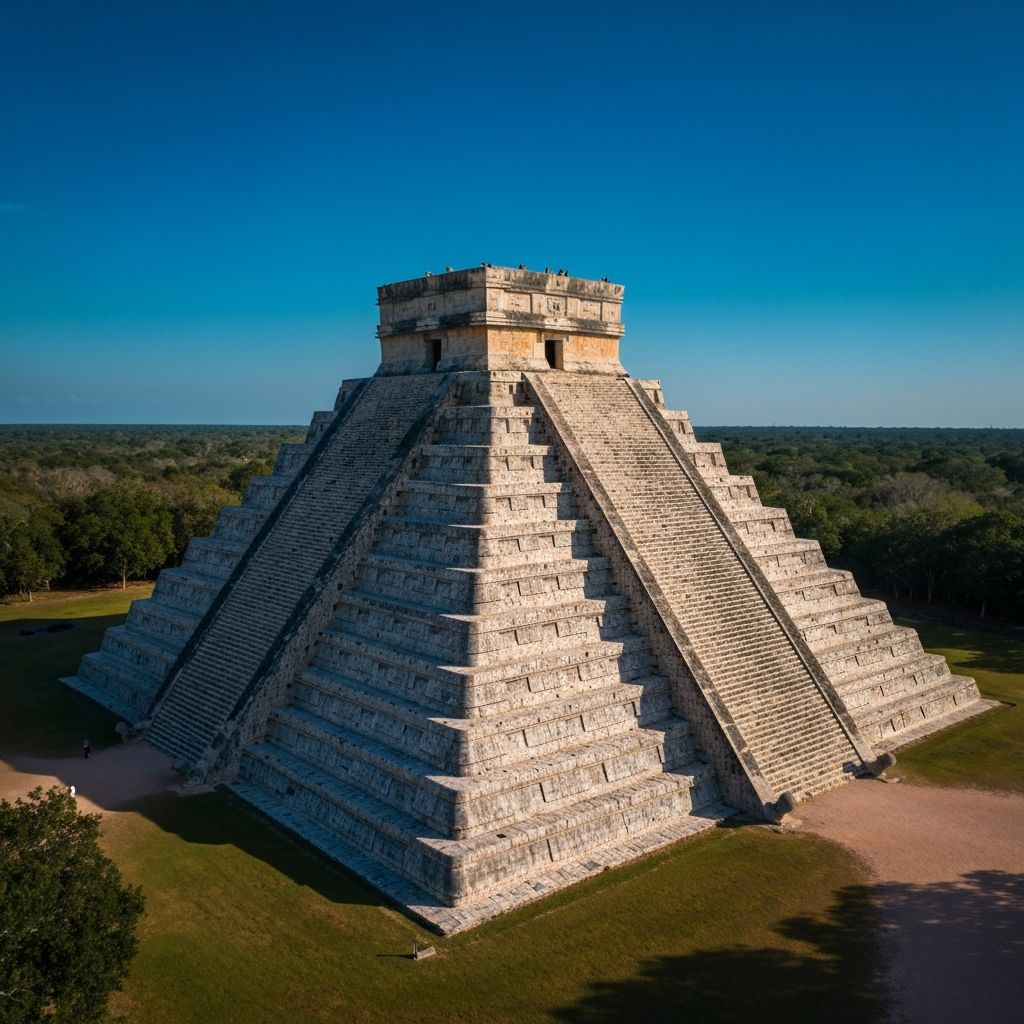
Twice a year, during the spring and fall equinoxes, thousands gather at Chichen Itza to witness an astronomical phenomenon the Maya engineered nearly 1,000 years ago: the descent of Kukulcán.
## The Serpent Descends
As the sun sets on the equinox (March 20-21 and September 22-23), sunlight creates a series of triangular shadows on the northern staircase of El Castillo pyramid. These shadows, combined with the carved serpent head at the base, create the illusion of a serpent descending from the temple.
### The Maya's Precision
The Maya were master astronomers. El Castillo incorporates complex astronomical calculations:
- 365 steps total (one for each day of the year)
- 91 steps on each of four sides, plus the top platform
- 52 panels on each side (representing the 52-year Maya calendar cycle)
The equinox serpent is just one of many astronomical alignments built into the structure.
## Planning Your Visit
### Timing is Everything
**Days to Visit:**
- Equinox (March 20-21 or September 22-23): Most crowded but most dramatic
- Week before/after: Phenomenon visible but less pronounced, fewer crowds
- Avoid: Several days off equinox when effect is minimal
**Arrival Time:**
The serpent effect occurs from approximately 3 PM to 5:30 PM. Arrive by 2 PM to secure a good viewing spot.
### What to Expect
**Crowds:**
Expect 20,000-40,000 people during the equinox. The site reaches capacity, and parking becomes challenging.
**Vendors and Performers:**
Local artisans and performers create a festival atmosphere. Traditional Maya ceremonies, dancers, and musicians add to the experience.
**Weather:**
March: Hot and dry (bring sun protection)
September: Possibility of rain (bring poncho)
## Getting the Best View
**Prime Locations:**
1. Base of the staircase (arrive very early)
2. Grassy area 50-100 feet from pyramid
3. Elevated viewing platforms (limited capacity)
**Photography Tips:**
- Wide-angle lens to capture pyramid and crowd
- Telephoto for detail shots of serpent effect
- Go early for equipment setup
- Video might be more effective than stills
## Beyond the Equinox
Chichen Itza offers much more than the serpent:
**The Ball Court**
The largest ancient ball court in Mesoamerica, with acoustics that carry a whisper from one end to the other.
**The Sacred Cenote**
A natural sinkhole where the Maya made sacrifices to the rain god Chaac.
**Temple of Warriors**
Rows of columns carved as warriors guard this impressive structure.
**El Caracol (Observatory)**
The "snail" was used to track celestial movements with remarkable accuracy.
## Making the Most of Your Trip
**Stay Local:**
Book hotels in nearby Valladolid (charming colonial town) or Pisté (closest to ruins). Both offer better value than Cancún.
**Multi-Day Itinerary:**
- Day 1: Arrive, explore Valladolid, swim in cenotes
- Day 2: Early morning at Chichen Itza (before crowds)
- Day 3: Return for equinox event
- Day 4: Visit other nearby ruins (Ek Balam, Coba)
**Respect the Site:**
- Don't climb the pyramids (no longer allowed)
- Stay on designated paths
- Don't touch carved stones
- No large bags allowed
## The Spiritual Experience
For many, witnessing the equinox at Chichen Itza is more than tourism—it's a spiritual connection to ancient wisdom. The Maya's ability to encode astronomical knowledge in architecture, creating a phenomenon that still amazes us 1,000 years later, is humbling.
As the serpent appears to slither down the pyramid, take a moment to reflect: you're witnessing the same event the Maya planned for, using the same sun, on the same stones. It's a tangible connection across centuries.
## Alternatives
If equinox crowds are too daunting:
**Dzibilchaltún:**
Near Mérida, the "Temple of the Seven Dolls" aligns perfectly with sunrise during equinoxes. Far fewer visitors.
**Mayapan:**
The "Last Maya Capital" has similar astronomical alignments and almost no tourists.
## Final Thoughts
Whether you visit during the equinox or any other time, Chichen Itza is a testament to human ingenuity and our eternal fascination with the cosmos. The serpent's descent is dramatic, but the real magic is understanding that ancient people, with no modern technology, created something that still captivates us today.
Plan ahead, arrive early, stay hydrated, and prepare to be amazed by what the Maya accomplished—and by humanity's enduring ability to marvel at the sky.